 Business License

What Leads to Overheating of Vertical Mill Reducer?
A Gearbox doesn't fail silently. Every bit of heat it makes is energy that should be going into grinding, not into the oil. When temperatures climb, something is consuming power it shouldn't: friction, churning, or metal rubbing on metal.
Most manufacturers treat the oil sump temperature as the main health gauge. A healthy unit settles into a steady operating band, and it holds there hour after hour. When that band starts creeping, or when a single shift shows a sudden jump, you have a real problem forming.
The red line you'll see in most manuals: oil sump temperature around 70°C. Past that point, shutdown and investigation is the standard advice, not a suggestion. A bearing that runs hot for a day can be a cheap repair. A bearing that runs hot for a month is a rebuild.
The Usual Suspects
Overheating has a short list of causes, and they almost never surprise you:
- Lubrication problems: wrong oil, degraded oil, not enough film
- Oil level: too low, or surprisingly, too high
- Contamination: water, dust, or metal particles in the oil
- Mechanical damage: worn gears, damaged bearings, tooth breakage
- Load and alignment: mill overload, misalignment, coupling trouble
- Cooling: blocked breathers, dust buildup, poor ventilation
Oil Level: The Two-Way Trap
Low oil level is the obvious problem. Not enough oil means the gears and bearings don't get the film they need, and metal starts touching metal. That heats up fast.
But high oil level is just as common and less understood. Overfilled oil gets churned by the rotating parts, and churning generates heat and foam. Foam is worse than no oil in some ways, because air doesn't lubricate anything. The extra heat from churning can push the sump temperature up all by itself.
Check the oil level the way the manual says: at standstill, at the right temperature, with the machine on level ground. Guessing at the level is how you end up with one of these two problems instead of neither.
Contamination and Oil Condition
Oil analysis is the fastest way to see inside a gearbox without opening it. A routine oil sample can catch a problem months before it becomes a failure.
The signs to look for:
- Fine metallic glitter in the oil: early wear on gear teeth or bearing races
- Flakes or chips: advanced wear, spalling, or tooth fracture
- Water: milky appearance, corrosion risk, destroyed film strength
- Viscosity drop: oil is breaking down, film is getting thinner
A magnetic drain plug catches steel wear particles before they circulate and cause more damage. If you don't have one, it's a cheap upgrade and it tells you a lot.
There's also the breather valve, which people forget until it's too late. A blocked breather stops the gearbox from equalizing pressure as it warms up. Pressure builds, seals leak, oil level drops, temperature climbs. Cleaning the breather takes two minutes. Skipping it costs you a seal kit, an oil change, and a day of downtime.
Mechanical Damage and Load
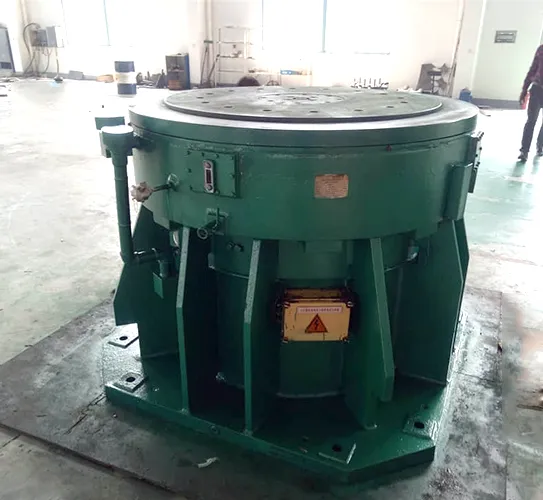
When lubrication and oil level check out clean, the heat is coming from inside the drivetrain. Worn gear teeth with pitting or scuffing generate friction. Damaged bearings generate heat at the source, and the temperature rise usually comes with vibration or noise you can feel through the housing.
Overload is the other big one, and it often comes from the mill side, not the gearbox. High grinding pressure, sudden feed surges, or tramp material in the feed can overload the reducer beyond its rated torque. The gearbox isn't the problem — it's the victim. Same with misalignment: a motor or mill that's off centerline loads the gears unevenly and heats them up.
Here's a useful pattern to remember. Lubrication problems tend to show as a slow, steady creep over days or weeks. Mechanical damage and overload tend to show as spikes: temperature jumps together with noise, vibration, or both. If the heat walked in with a bang, it's usually mechanical.
Cooling and the Mill Environment
Sometimes the gearbox is fine and the environment is the problem. Heavy dust buildup on the housing acts like a blanket and stops heat from leaving. A radiator or cooling fan that's clogged or failed does the same. High ambient temperature around the mill makes it harder for the reducer to shed heat, especially in summer.
These are easy to miss because they don't change the machine's behavior. The temperature just sits higher than it should, all the time. Before you tear the gearbox apart, clean the housing, check the cooling system, and look at the room temperature during the hot months.
Common Questions
What temperature is too hot for a vertical mill reducer?
Most manufacturers treat oil sump temperature above about 70°C as the red line. Equally important is the change: a sudden jump above your normal operating reading deserves investigation even if it's below 70°C.
How often should the oil be changed?
For a new or rebuilt reducer, the first oil change is typically after 200 to 500 working hours, to flush out running-in wear particles. After that, standard industrial gear oil is usually changed every 3,000 to 4,000 hours, with shorter intervals in dusty or high-load conditions.
Can an overheated reducer be repaired, or does it need replacing?
It depends on how long it ran hot. Caught early, an overhaul with new bearings, a gear inspection, and fresh seals usually brings it back. Run hot for weeks, and you may be looking at gear replacement or a full rebuild, which is often close to the cost of a new unit.
How do I tell if the problem is lubrication or mechanical damage?
Check the easy things first: level, oil condition, breather, load. Then look at the pattern. Slow creep points to oil. Sudden spikes with noise or vibration point to bearings, gears, or overload. An oil sample settles it: metal particles mean mechanical wear.
What maintenance prevents overheating in the first place?
A simple program: weekly breather check, regular oil analysis, vibration and temperature monitoring, and scheduled overhauls, with a minor inspection every 6 to 12 months and a major one every 2 to 3 years. That schedule catches almost every problem while it's still cheap to fix.
Recently Posted
-
What Causes Premature Failure in Industrial Gearboxes?
September 11, 2026There's a moment every plant maintenance person knows: standing next to a Gearbox that died years before it should have, while Read More
 -
Main Causes of Unplanned Line Downtime: Issues With Substandard Flying Shear Gearboxes
August 26, 2026In high-speed continuous rolling lines, the flying shear system undertakes the key task of dynamic fixed-length cutting. The core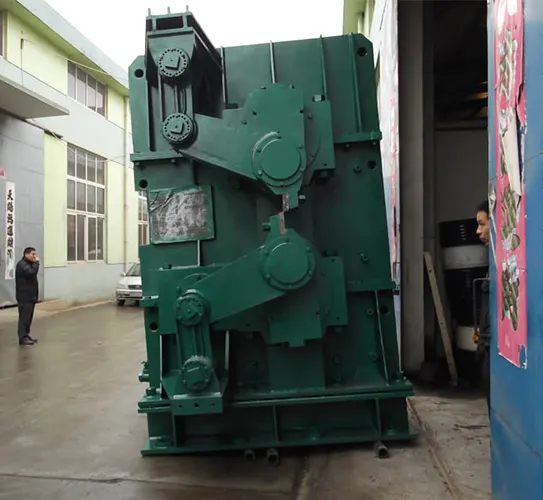 Read More

Contact Us
Recommended Products
-
 High Speed Gearbox With Built-in Lubrication and Cooling SystemUS$ 6000MOQ: 1 Piece
 -
Steam Turbine ReducerUS$ 6000MOQ: 1 Piece
-
High Speed ReducerUS$ 5500MOQ: 1 Piece
-
High Speed Reducer for Large Steam TurbineUS$ 6000MOQ: 1 Piece
-
High Speed Gearbox With Self Lubricating Cooling SystemUS$ 6000MOQ: 1 Piece