 Business License

Main Causes of Unplanned Line Downtime: Issues With Substandard Flying Shear Gearboxes
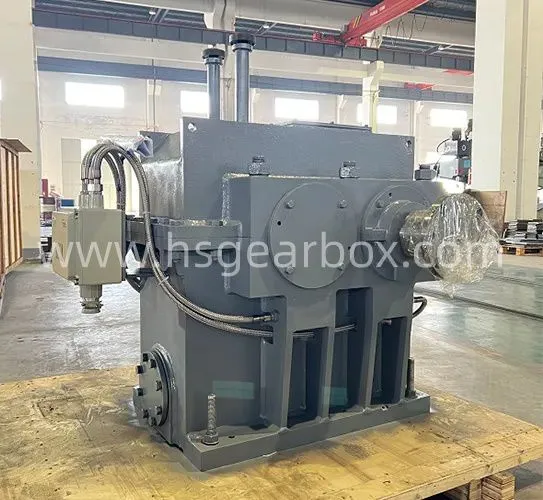
In high-speed continuous rolling lines, the flying shear system undertakes the key task of dynamic fixed-length cutting. The core power transmission component that supports stable operation of this system is a professional Flying shear gearbox. Only high-standard industrial Gearboxes can withstand frequent impact loads and cyclic operation. Poor-quality products will gradually fail under harsh working conditions, directly causing unplanned downtime and restricting long-term stable production.
Core Failure Mechanisms of Inferior Gearboxes Leading to Production Downtime
1. Insufficient Impact Resistance Causes Gear Tooth Damage
The flying shear cutting process produces instantaneous strong impact force, which is the biggest test for the gearbox transmission structure. Qualified Industrial gearboxes adopt integral forging and precision grinding processes, with uniform gear tooth stress and strong fatigue resistance. In contrast, inferior products use ordinary materials and rough processing, with obvious stress concentration at the tooth roots.
Under frequent cyclic impact, low-quality gear teeth are prone to pitting, glue tearing and even fracture. Once the transmission gear is damaged, the flying shear cannot complete synchronous cutting action, and the production line has to shut down for emergency replacement, resulting in unplanned downtime.
2. Poor Heat Dissipation Triggers Overheating Shutdown Protection
Continuous high-speed operation will generate a large amount of friction heat inside the gearbox. Professional models are equipped with optimized heat dissipation structures and heat-resistant lubricating oil systems to keep the internal temperature stable. Poor-quality gearboxes have unqualified shell heat dissipation design and low-precision internal fit, leading to increased friction heat accumulation.
When the internal temperature exceeds the safe threshold, the equipment will automatically trigger overheating protection and stop running. Frequent overheating failures not only interrupt production continuity but also accelerate the aging of internal bearings and gears, forming a vicious cycle of failure and maintenance.
3. Low Assembly Precision Causes Vibration and Positioning Deviation
Flying shear equipment requires extremely high synchronous positioning accuracy to ensure fixed-length cutting consistency. Inferior gearboxes have unqualified assembly precision and poor coaxiality, which will produce severe vibration during high-speed operation. Long-term vibration will loosen internal fasteners and aggravate component wear.
Eventually, the cutting position deviates, producing a large number of unqualified products. To adjust equipment accuracy and replace worn parts, the production line must be shut down, bringing unnecessary production losses to processing enterprises.
Practical Losses Caused by Unplanned Downtime
Many B-end purchasers only focus on the initial procurement cost and ignore the long-term operating risks of low-quality parts. In fact, the comprehensive loss caused by inferior transmission components is far higher than the equipment price difference. Unplanned downtime will not only reduce daily output but also disrupt the overall production plan, delay customer order delivery, and damage corporate reputation.
In addition, emergency maintenance and temporary replacement of parts will increase labor costs and spare parts consumption. Stable and reliable industrial-grade accessories are the core guarantee for the long-term profitable operation of rolling production lines.

Contact Us
Recommended Products
-
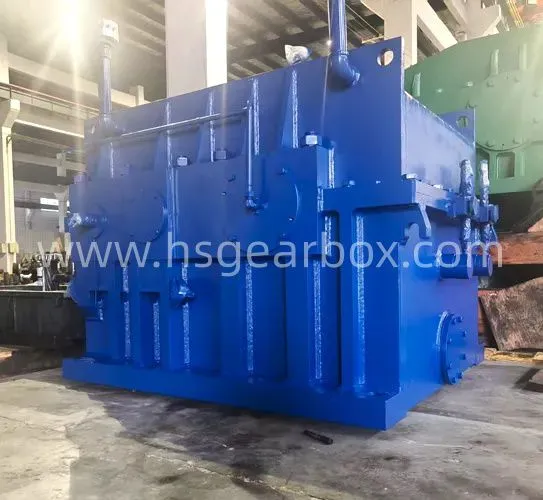
 High Speed Gearbox With Built-in Lubrication and Cooling SystemUS$ 6000MOQ: 1 Piece
 -
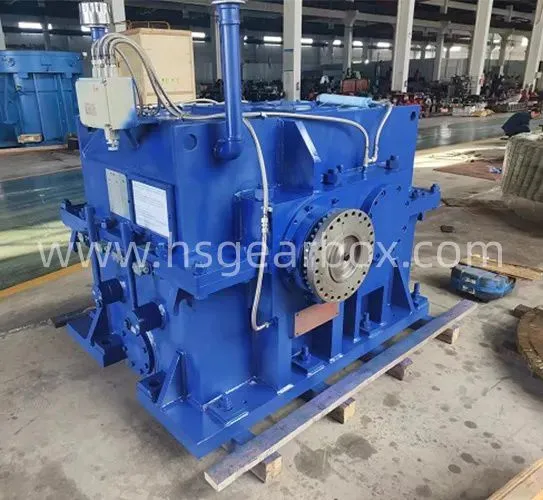
Steam Turbine ReducerUS$ 6000MOQ: 1 Piece
-
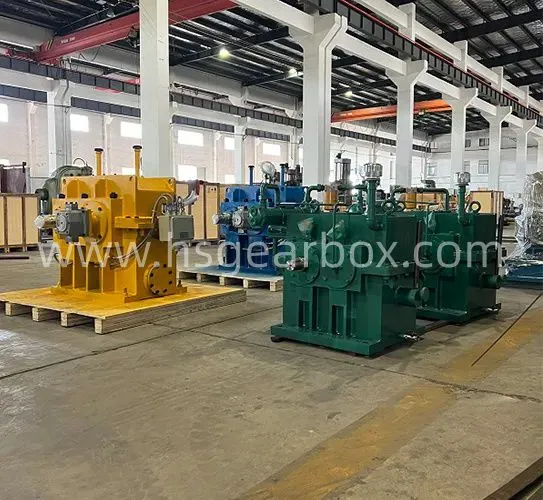
High Speed ReducerUS$ 5500MOQ: 1 Piece
-
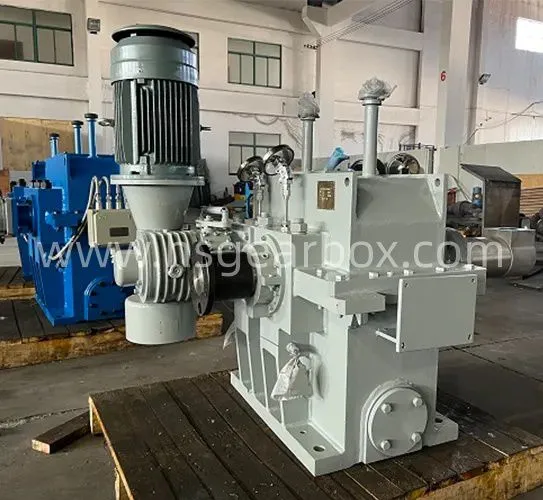
High Speed Reducer for Large Steam TurbineUS$ 6000MOQ: 1 Piece
-
High Speed Gearbox With Self Lubricating Cooling SystemUS$ 6000MOQ: 1 Piece